
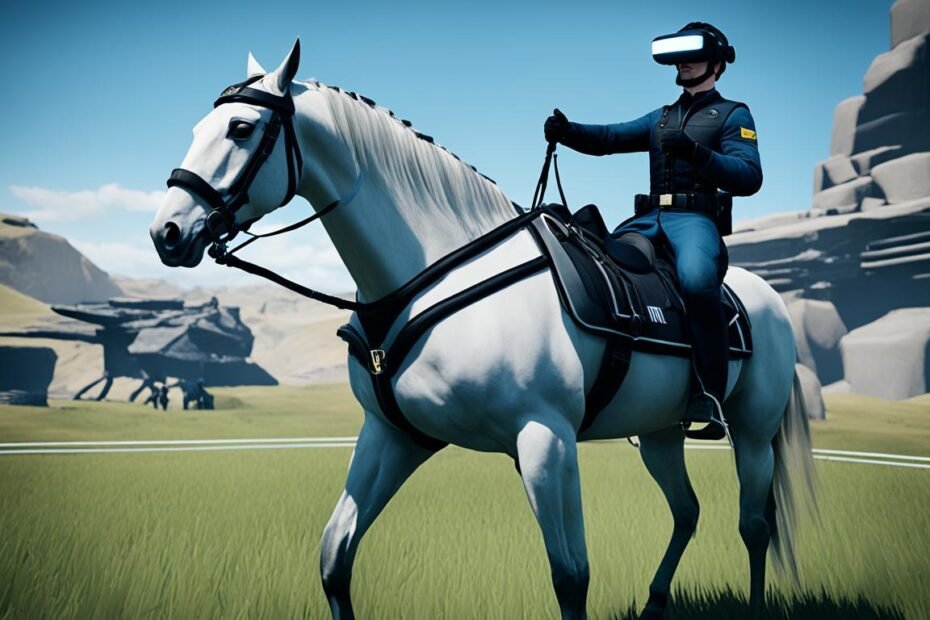
In the realm of equine therapy, a groundbreaking approach is emerging that leverages the power of virtual reality (VR) to revolutionize the treatment of post-traumatic stress disorder (PTSD) in horses. By simulating historical battlefields, therapists can now provide a safe and immersive environment for these remarkable animals to confront and overcome their trauma-related challenges.
The use of VR in equine PTSD therapy represents a significant advancement in the field, offering a unique and effective way to address the complex emotional and psychological needs of war horses and other equines that have experienced the horrors of armed conflict.
Through these simulations, therapists can recreate the sights, sounds, and sensations of historical battlefields, allowing the horses to gradually confront and process their traumatic memories in a controlled and supportive setting.
This innovative approach not only benefits the horses but also has the potential to enhance the overall efficacy of equine-assisted therapy. By providing a more targeted and tailored treatment plan, therapists can better address the specific needs of each individual horse, leading to improved outcomes and a higher quality of life for these noble service animals.
As we delve deeper into the exploration of using VR to simulate historical battlefields for equine PTSD therapy, we will uncover the profound impact this technology can have on the rehabilitation and well-being of our equine companions.
This article aims to shed light on the transformative power of this cutting-edge approach, highlighting the benefits, ethical considerations, and the integration of VR with traditional therapies to offer comprehensive care for these remarkable animals.
Understanding Equine PTSD and Its Impact
Horses, like humans, can suffer from post-traumatic stress disorder (PTSD) as a result of experiencing or witnessing traumatic events.
Equine PTSD is a complex condition that can have a significant impact on the well-being and behavior of these majestic animals. It is particularly prevalent among war horses and service animals that have been exposed to the stresses and dangers of military or law enforcement operations.
Recognizing Signs of Trauma in Horses
Identifying the signs of equine PTSD is crucial for providing effective treatment and rehabilitation. Horses with PTSD may exhibit a range of behavioral changes, including:
- Heightened anxiety and hypervigilance
- Sudden and unexplained fear or aggression
- Reluctance to engage in previously enjoyed activities
- Changes in sleeping patterns or appetite
- Avoidance of certain stimuli or environments
The Need for Effective Therapeutic Interventions
Addressing equine PTSD requires a comprehensive and specialized approach. Traditional therapies developed for human PTSD may not always be suitable for horses, as their unique physiology and instinctual behaviors need to be taken into account. Effective therapeutic interventions for equine PTSD often involve a combination of:
- Behavioral modification techniques
- Sensory-based therapies
- Medication management, when necessary
- Gradual exposure to trauma-related stimuli
By understanding the complexities of equine PTSD and implementing tailored therapeutic approaches, we can help these brave animals recover from the psychological and emotional wounds of their service and improve their overall well-being.
| Common Signs of Equine PTSD | Effective Therapeutic Interventions |
|---|---|
| Heightened anxiety and hypervigilance Sudden fear or aggression Reluctance to engage in activities Changes in sleeping or appetite Avoidance of certain stimuli | Behavioral modification techniques Sensory-based therapies Medication management (when necessary) Gradual exposure to trauma-related stimuli |
The Role of Virtual Reality in Therapy
As the field of therapy continues to evolve, the integration of virtual reality (VR) technology has emerged as a powerful tool in the treatment of various mental health conditions, including post-traumatic stress disorder (PTSD) and other trauma-related disorders.
Virtual reality therapy offers the ability to create immersive and interactive therapeutic environments that can be tailored to the specific needs of each patient.
One of the key advantages of virtual reality therapy is the level of control and customization it provides. Therapists can design virtual environments that closely mimic real-world situations, allowing patients to gradually confront and overcome their fears and triggers in a safe and controlled setting.
This gradual exposure approach, known as VR-based exposure therapy, has proven particularly effective in the treatment of PTSD and other trauma-related conditions.
Moreover, virtual reality therapy can also be used to create interactive therapeutic environments that engage the senses and promote emotional processing. By incorporating sensory elements such as sound, visuals, and even haptic feedback, virtual reality can effectively transport patients to different settings, fostering a deeper level of immersion and engagement in the therapeutic process.
The versatility of virtual reality therapy extends beyond individual treatment, as it can also be utilized in group therapy sessions. By creating shared virtual spaces, therapists can facilitate collaborative activities and promote social interaction among patients, further enhancing the therapeutic experience.
As the technology continues to advance and become more accessible, the role of virtual reality in the field of therapy is poised to grow even more significant, offering new and innovative ways to support individuals on their journey towards healing and recovery.
The Benefits of Virtual Reality Therapy
- Ability to create immersive and controlled therapeutic environments
- Gradual exposure approach for effective treatment of PTSD and trauma-related disorders
- Incorporation of sensory elements to enhance emotional processing and engagement
- Potential for group therapy sessions and collaborative activities in virtual spaces

As the integration of virtual reality technology continues to evolve in the field of therapy, it is clear that this innovative approach holds significant promise in the treatment of a wide range of mental health conditions.
By providing patients with the opportunity to confront their fears and triggers in a safe and controlled environment, virtual reality therapy can be a powerful tool in the journey towards healing and recovery.
Simulating Historical Battlefields in VR
Virtual reality technology has advanced to a point where it can transport users to remarkably realistic and immersive environments, including simulations of historical battlefields. These immersive historical simulations play a crucial role in the therapeutic process for horses suffering from post-traumatic stress disorder (PTSD).
Recreating Authentic Environments
The key to creating effective VR-based exposure therapy for equine PTSD is the accurate recreation of historical battlefield environments. Developers work tirelessly to capture the sights, sounds, and even smells of these pivotal moments in history.
From the rugged terrain to the sounds of cannon fire and the acrid scent of gunpowder, every detail is meticulously crafted to transport the horses and their handlers into the heart of the action.
Incorporating Sensory Stimuli
Beyond the visual elements, these VR simulations also incorporate other sensory inputs to heighten the realism and impact of the experience. Surround sound systems recreate the thunderous roar of battle, while scent diffusers release fragrances that evoke the atmosphere of the historical setting.
The goal is to create a truly immersive experience that triggers the same physiological and emotional responses in the horses as they would have experienced during the original battle reenactment.
| Feature | Description |
|---|---|
| Terrain Replication | Detailed recreation of the battlefield’s geography, including hills, valleys, and obstacles |
| Auditory Cues | Realistic sounds of cannon fire, horses, and soldiers to heighten the sense of immersion |
| Olfactory Stimuli | Carefully curated scents, such as gunpowder and horse sweat, to evoke the historical atmosphere |
| Tactile Feedback | Vibrations and other physical sensations to simulate the impact of battle events |
The integration of these sensory elements is crucial in creating a truly immersive experience that can effectively address the unique challenges faced by horses suffering from PTSD related to historical battle reenactments.
Using VR to Simulate Historical Battlefields for Equine PTSD Therapy
In the innovative field of equine-assisted therapy, virtual reality (VR) technology is emerging as a powerful tool to address post-traumatic stress disorder (PTSD) in horses. By simulating historical battlefields, therapists can create a safe and controlled environment where equine patients can gradually confront and overcome their trauma-related triggers.
The simulation of these immersive virtual environments allows horses to experience the sights, sounds, and sensations associated with past traumatic events, but within the safety of a therapeutic setting. This approach, known as VR-based exposure therapy, has shown promising results in helping horses process and manage their PTSD symptoms.
| Key Benefits of VR Simulation for Equine PTSD Therapy |
|---|
| Provides a safe and controlled environment for horses to confront trauma triggers Allows for gradual desensitization and exposure to traumatic stimuli Promotes emotional regulation and stress management Facilitates the development of coping strategies and resilience Complements traditional therapy methods for a comprehensive approach |
By leveraging the immersive power of virtual reality, therapists can recreate the sights, sounds, and even tactile sensations of historical battlefields, enabling horses to gradually confront and overcome their trauma-related fears and anxieties.
This innovative approach has the potential to revolutionize the way we address equine PTSD, offering a new avenue for healing and recovery.
Benefits of VR-Based Exposure Therapy
Virtual reality (VR) has emerged as a powerful tool in the treatment of equine PTSD, offering a unique approach to exposure therapy. One of the key advantages of VR-based therapy is its ability to create a controlled environment for gradual desensitization.
Controlled Environment for Gradual Desensitization
In traditional exposure therapy, horses with PTSD may be confronted with triggers or stressors that can be overwhelming and even traumatic. VR, on the other hand, allows therapists to gradually introduce stimuli in a safe and controlled setting, gradually exposing the horse to the source of their fear or anxiety.
This controlled environment enables the horse to become acclimated to the stimuli at their own pace, without the risk of re-traumatization. The therapist can meticulously adjust the intensity, duration, and sequence of the virtual experiences, ensuring a personalized and effective treatment plan.
| Benefit | Description |
|---|---|
| Controlled environment | VR allows therapists to create a safe and controlled environment for horses with PTSD, enabling gradual exposure to triggers without the risk of re-traumatization. |
| Customized treatment | Therapists can tailor the virtual experiences to the individual needs and response of each horse, ensuring a personalized and effective treatment plan. |
| Reduced stress and anxiety | The gradual desensitization process in VR helps to reduce the horse’s stress and anxiety levels, facilitating the recovery process. |
By leveraging the power of VR, equine PTSD therapists can create a controlled environment that allows for a gradual and personalized desensitization process, ultimately leading to more effective and sustainable treatment outcomes for horses affected by trauma.
Ethical Considerations and Safety Protocols
As veterinarians and animal welfare experts explore the use of virtual reality (VR) for equine PTSD therapy, it’s crucial to address the ethical considerations and safety protocols involved. The well-being and comfort of the animals must remain the top priority throughout the treatment process.
One key ethical concern is the potential stress or discomfort the horses may experience during VR-based exposure therapy. To mitigate this, researchers have developed rigorous safety measures to ensure a positive and stress-free experience for the animals.
- Gradual Acclimation: Horses are introduced to the VR equipment and environment gradually, allowing them to become comfortable and familiar with the setup before any exposure therapy begins.
- Continuous Monitoring: Veterinarians and trained staff closely monitor the horses’ vital signs, behavior, and stress levels throughout the VR sessions, ready to intervene if any signs of distress are observed.
- Customized Environments: The VR simulations are tailored to each individual horse, taking into account their unique experiences, triggers, and comfort levels to create a safe and personalized therapeutic environment.
Another important consideration is the informed consent and participation of the horse’s owners or caretakers. They must be fully informed about the VR therapy process, its potential risks and benefits, and actively consent to their animal’s involvement in the treatment.
| Ethical Principle | Safeguard Measures |
|---|---|
| Minimizing Distress | Gradual acclimation, continuous monitoring, customized environments |
| Informed Consent | Transparent communication with owners and caretakers |
| Animal Welfare | Prioritizing the well-being and comfort of the horses |
By prioritizing these ethical considerations and implementing robust safety protocols, veterinary professionals can harness the power of virtual reality to provide effective, humane, and transformative animal-assisted therapy innovations and veterinary mental health treatment for horses suffering from PTSD.
Integrating VR with Traditional Therapies
As the equine therapy industry continues to evolve, the integration of Virtual Reality (VR) with traditional therapeutic approaches has emerged as a powerful multimodal approach for comprehensive treatment. By seamlessly blending VR-based simulations with established equine-assisted interventions, healthcare providers can now offer a more holistic and effective solution for horses suffering from PTSD.
Multimodal Approach for Comprehensive Treatment
The integration of VR technology with traditional therapies provides a unique opportunity to create a truly comprehensive treatment plan for equine PTSD.
This multimodal approach combines the immersive and controlled environment of VR simulations with the proven benefits of equine-assisted therapy, equine-facilitated psychotherapy, and other complementary modalities.
Through this integrated approach, healthcare professionals can:
- Leverage VR to gradually expose horses to simulated traumatic events, allowing for controlled and safe desensitization.
- Complement VR-based exposure with hands-on equine interactions, fostering a sense of trust, emotional connection, and calming presence.
- Incorporate additional therapeutic techniques, such as mindfulness exercises, to further support the horse’s overall well-being and recovery.
By seamlessly integrating VR with traditional therapies, healthcare providers can create a tailored, multifaceted treatment plan that addresses the unique needs and responses of each individual horse, leading to more effective and lasting outcomes.
| Traditional Therapies | Virtual Reality Integration |
|---|---|
| Equine-Assisted Therapy | Simulated Traumatic Environments |
| Equine-Facilitated Psychotherapy | Controlled Desensitization |
| Mindfulness Exercises | Multimodal Sensory Experiences |
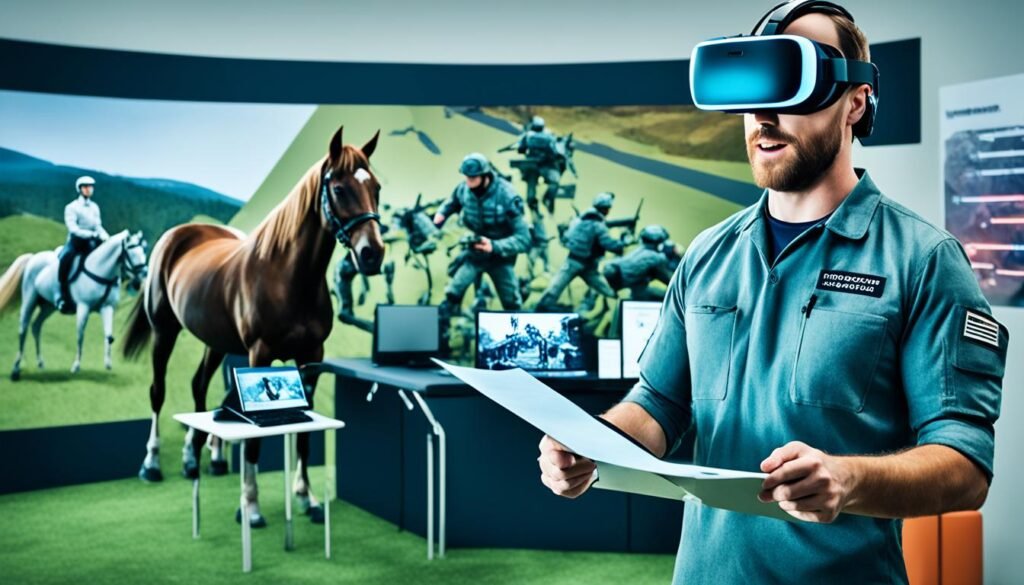
Success Stories and Case Studies
The transformative power of using virtual reality simulations of historical battlefields in the treatment of equine PTSD is evident in the inspiring success stories and case studies that have emerged. These real-world examples showcase the profound impact this innovative therapy has had on the well-being and recovery of these remarkable service animals.
One such case is that of Ranger, a former cavalry horse who had experienced the horrors of war firsthand. After being rescued and placed in the care of a specialized equine therapy center, Ranger’s handlers began incorporating VR simulations of historic battlefields into his treatment plan.
As Ranger navigated these virtual environments, he gradually confronted and overcame his deep-seated fears, allowing him to regain his confidence and reclaim his role as a beloved companion and working horse.
Another success story involves Bella, a retired police horse who had witnessed the chaos and violence of urban riots. Through the use of VR simulations that recreated these traumatic scenes, Bella’s therapists were able to guide her through a methodical process of desensitization and emotional healing.
Over time, Bella’s anxiety and hypervigilance subsided, and she was able to return to her duties with a renewed sense of purpose and resilience.
FAQ
What is the purpose of using virtual reality to simulate historical battlefields for equine PTSD therapy?
The purpose of using virtual reality (VR) to simulate historical battlefields for equine PTSD therapy is to provide a safe and controlled environment for horses to gradually confront and overcome their trauma-related triggers.
This innovative approach allows therapists to create immersive experiences that can help horses with PTSD and other trauma-related disorders to recover in a comprehensive and effective manner.
How does VR-based therapy help in the treatment of equine PTSD?
VR-based therapy for equine PTSD offers several key benefits, including the ability to create a controlled environment for gradual desensitization, the customization of therapeutic interventions to the individual needs of each horse, and the integration of VR with traditional equine-assisted therapies for a comprehensive treatment plan.
What are the ethical considerations and safety protocols involved in using VR for equine PTSD therapy?
The use of VR for equine PTSD therapy requires careful consideration of the ethical implications and the implementation of robust safety protocols. Therapists and veterinary professionals must ensure the well-being and comfort of the animals throughout the treatment process, prioritizing their physical and emotional needs at all times.
How can VR-based therapy be integrated with traditional equine-assisted therapies?
VR-based therapy can be seamlessly integrated with traditional equine-assisted therapies, such as groundwork, mounted exercises, and other complementary approaches, to provide a multimodal treatment plan for horses suffering from PTSD.
This integrated approach allows for a comprehensive and holistic recovery process, addressing the unique needs of each individual animal.
Can you provide examples of successful case studies or success stories involving the use of VR for equine PTSD therapy?
Yes, there are numerous real-world success stories and case studies demonstrating the positive impact of using VR simulations of historical battlefields in the treatment of equine PTSD.
These examples highlight the transformative effects on the well-being and recovery of these remarkable service animals, offering hope and inspiration for the future of this innovative therapy.