

In the captivating realm of animal cognition, the concept of synesthesia has recently piqued the interest of researchers and enthusiasts alike. Synesthesia, a neurological phenomenon where the senses blend, allowing individuals to perceive the world in unique, cross-sensory ways, has been extensively studied in humans.
However, the possibility of equine synesthesia has only recently gained scientific attention, opening up a world of possibilities for understanding the hidden talents and abilities of our equine companions.
By delving into the complex world of equine cognition and perception, this article aims to explore the potential for synesthetic experiences in horses. Through a multifaceted approach, we will uncover the fascinating implications of this phenomenon and its impact on our understanding of animal behavior, communication, and overall well-being.
Key Takeaways
- Synesthesia is a neurological condition where the senses blend, allowing individuals to perceive the world in unique, cross-sensory ways.
- The possibility of equine synesthesia has only recently attracted scientific attention, offering new insights into the hidden talents and abilities of horses.
- Exploring equine cognition and perception can provide valuable information about the potential for synesthetic experiences in horses.
- Understanding the neurological basis of synesthesia and its manifestation in animals can have significant implications for animal behavior research and welfare.
- Innovative approaches to animal behavior analysis, such as observational studies and experimental designs, can help uncover the existence and nature of synesthesia in horses.
Understanding Synesthesia
Synesthesia is a fascinating neurological phenomenon where the senses intertwine, allowing individuals to experience the world in a uniquely cross-sensory way.
This condition, characterized by the blending of senses, is the result of heightened neural connectivity and cross-activation between different sensory processing areas in the brain.
What is Synesthesia?
Synesthesia is a perceptual experience in which the stimulation of one sensory or cognitive pathway leads to an automatic, involuntary experience in a second sensory or cognitive pathway. For example, a synesthetic person may associate certain colors with specific sounds or experience tastes with particular shapes.
Types of Synesthesia
There are various types of synesthesia, each characterized by the specific senses that are interlinked. Some of the most common types include:
- Grapheme-color synesthesia: Associating letters or numbers with specific colors.
- Sound-color synesthesia: Perceiving colors in response to certain sounds or music.
- Taste-shape synesthesia: Experiencing specific shapes or textures in response to certain tastes.
- Spatial-sequence synesthesia: Experiencing numbers, days of the week, or months as having a specific spatial arrangement.
These diverse forms of synesthesia highlight the intricate and fascinating interplay between the senses, underlining the brain’s remarkable capacity for cross-modal processing and integration.
| Type of Synesthesia | Description |
|---|---|
| Grapheme-color synesthesia | Associating letters or numbers with specific colors |
| Sound-color synesthesia | Perceiving colors in response to certain sounds or music |
| Taste-shape synesthesia | Experiencing specific shapes or textures in response to certain tastes |
| Spatial-sequence synesthesia | Experiencing numbers, days of the week, or months as having a specific spatial arrangement |
Cross-Sensory Perception in Animals
The ability of animals to perceive the world through multiple sensory modalities has been a topic of growing scientific interest.
Researchers have found evidence of cross-sensory perception and multimodal sensory integration in various animal species, suggesting that the foundations for synesthetic experiences may be present in the animal kingdom.
Studies have shown that animals can combine information from different senses, such as sight, sound, and touch, to form a more comprehensive understanding of their environment. This process, known as multimodal sensory integration, allows animals to make more accurate decisions and better navigate their surroundings.
For example, some species of birds have been observed to use both visual and auditory cues to locate prey, integrating these sensory inputs to enhance their hunting success.
Similarly, marine mammals like dolphins and whales have demonstrated the ability to process information from multiple senses, including echolocation, to create a detailed mental map of their underwater environment.
The capacity for cross-sensory perception in animals may also serve as a precursor to the development of synesthetic experiences.
While the presence of true synesthesia in non-human species is still a subject of ongoing research, the underlying neurological mechanisms that enable multimodal sensory integration could provide valuable insights into the potential for synesthetic-like phenomena in the animal kingdom.
By studying the animal cognition and cross-sensory perception in animals, scientists hope to gain a deeper understanding of the evolutionary origins and functional significance of these remarkable cognitive abilities, which may have important implications for our understanding of both human and animal consciousness.
Equine Sensory Experiences
Horses are highly perceptive animals, relying on a complex array of equine sensory experiences to navigate their environment.
With exceptional visual, auditory, olfactory, and tactile capabilities, they gather comprehensive information about their surroundings. This multifaceted sensory perception enables horses to effectively interact with and respond to their world.
Navigating the World through Senses
Horses possess keen horse senses that allow them to perceive their environment in remarkable ways. Their large, panoramic eyes provide a wide field of vision, while their highly sensitive olfactory system allows them to detect a vast array of scents.
Equine hearing is also exceptionally acute, enabling them to pick up on subtle sounds that may signal potential danger or opportunity.
Equine Cognition and Perception
In addition to their advanced equine cognition and perception, horses demonstrate remarkable cognitive abilities. They can remember past experiences, learn new behaviors, and even exhibit problem-solving skills.
This cognitive capacity, combined with their complex sensory system, suggests the potential for cross-sensory integration and the possibility of synesthetic experiences in horses.
| Equine Sensory Modality | Key Characteristics |
|---|---|
| Vision | Panoramic view, high sensitivity to movement, color perception |
| Hearing | Acute sense of hearing, detection of a wide range of frequencies |
| Olfaction | Highly sensitive olfactory system, able to detect a vast array of scents |
| Touch | Sensitive tactile perception, important for social interactions and environment exploration |
Assessing the Possibility of Synesthetic Horses
The intriguing possibility of equine synesthesia has captured the curiosity of researchers and animal enthusiasts alike. While the true prevalence and nature of cross-sensory perception in horses remain largely unexplored, scientific investigations are steadily uncovering evidence that suggests the potential for synesthetic abilities in these majestic creatures.
By carefully observing equine behavior and analyzing physiological responses, researchers aim to uncover clues that could support the existence of synesthetic horses. Through specialized experiments and innovative research methodologies, they seek to understand the extent to which horses may experience the blending of senses, known as synesthesia.
The study of cross-sensory perception in horses is a burgeoning field that holds the promise of unveiling hidden talents and expanding our understanding of equine cognition and perception. As researchers delve deeper into this intriguing area, the implications of their findings could have far-reaching impacts on our appreciation for the remarkable sensory abilities of these beloved animals.
By exploring the possibility of synesthetic horses, we may not only gain new insights into the complex inner workings of the equine mind but also unlock the potential for novel approaches to equine training, care, and conservation efforts.
The journey of uncovering the truth about synesthetic horses promises to be a captivating and illuminating one, with the potential to transform our relationship with these magnificent creatures.
Neurological Basis of Synesthesia
Synesthesia, the remarkable phenomenon where senses intertwine, has long captivated the scientific community.
Researchers believe this unique experience has a distinct neurological foundation, stemming from increased neural connectivity and cross-activation between different sensory processing regions in the brain.
Brain Mechanisms and Connectivity
Extensive studies on the neurological basis of synesthesia have revealed intriguing insights. Synesthetes, individuals with synesthesia, exhibit heightened structural and functional connectivity within their brains, particularly in areas associated with sensory processing and integration.
This enhanced neural communication is thought to be the driving force behind the blending of sensory perceptions that synesthetes experience.
Interestingly, the neurological basis of synesthesia has also been a focus of research in the study of synesthesia in non-human species, including horses.
As scientists delve deeper into the brain mechanisms and connectivity underlying cross-sensory perception in animals, they aim to uncover the potential neurological foundations that may enable synesthetic experiences in various species.
Understanding the neurological underpinnings of synesthesia not only sheds light on the intricate workings of the human brain but also holds the potential to unlock the secrets of synesthesia research in non-human species.
As the exploration of this fascinating phenomenon continues, researchers are poised to unveil the remarkable neurological landscapes that give rise to the extraordinary experiences of synesthesia.
Innovative Approaches to Animal Behavior Analysis
Studying animal cognition and perception, including the potential for synesthetic experiences, requires innovative approaches to behavior analysis. Researchers employ a diverse range of methods to uncover the intricacies of how animals, such as horses, perceive and interact with their environment.
Observational Studies
Observational studies, where researchers closely monitor and document equine behavior in natural or controlled settings, can provide valuable insights into how horses perceive and interact with their surroundings.
These studies often involve carefully recording the animals’ movements, reactions, and interactions, allowing researchers to identify patterns and draw conclusions about their sensory experiences.
Experimental Designs
Complementing observational methods, experimental designs that involve carefully crafted sensory stimuli and physiological measurements can help uncover the neurological mechanisms underlying cross-sensory integration in horses.
By exposing animals to specific sensory cues and measuring their physiological responses, researchers can gain deeper understanding of how the brain processes and integrates different modalities of information.
| Innovative Approaches | Key Insights |
|---|---|
| Observational Studies | Provide valuable insights into how horses perceive and interact with their environment |
| Experimental Designs | Uncover the neurological mechanisms underlying cross-sensory integration in horses |
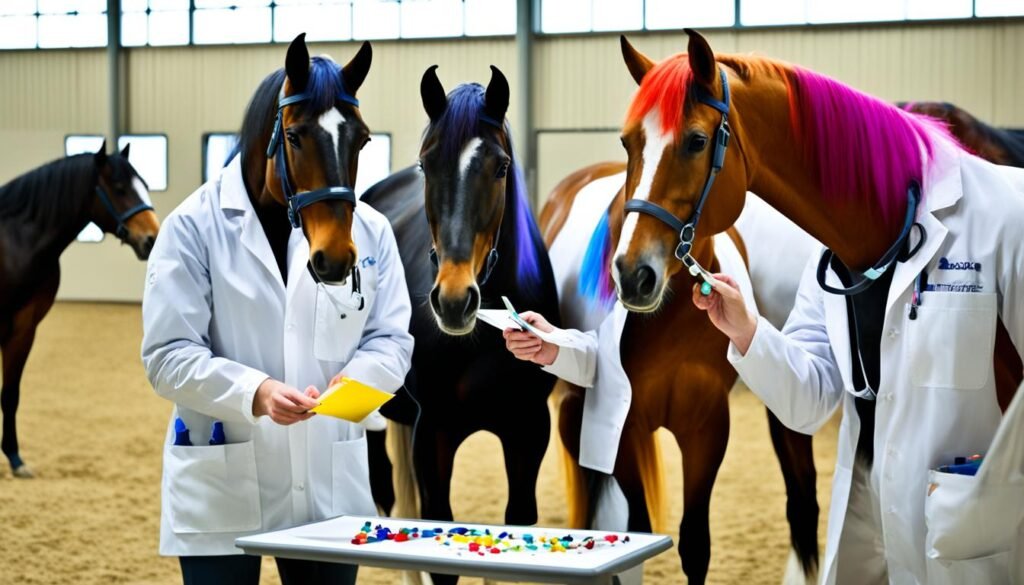
By combining observational and experimental approaches, researchers can gain a more comprehensive understanding of the complex sensory experiences and cognitive processes of animals, including the intriguing possibility of synesthetic capabilities in horses.
Potential Implications of Synesthesia in Horses
The potential discovery of synesthesia in horses could have far-reaching implications for our understanding of equine cognition, behavior, and overall well-being. Synesthetic experiences may influence how horses perceive and interact with their environment, affecting their decision-making, communication, and even their emotional responses.
Recognizing the possibility of synesthetic abilities in horses could lead to the development of more effective training methods, improved equine welfare practices, and a deeper appreciation for the complexity of equine sensory experiences.
For instance, if horses do indeed possess synesthetic abilities, it could provide insights into their decision-making processes and how they navigate their surroundings. Synesthesia may allow horses to make more informed choices by integrating multiple sensory inputs, such as sight, sound, and touch, in novel ways.
This could have implications for designing safer and more intuitive equine environments, as well as developing training techniques that better align with the horses’ natural sensory capabilities.
Furthermore, understanding the role of synesthesia in equine cognition and behavior could lead to advancements in equine welfare practices. Synesthetic experiences may influence a horse’s emotional responses, potentially affecting their overall well-being and interactions with humans.
By acknowledging the potential for synesthesia, researchers and caretakers can explore new ways to assess and improve the quality of life for horses, ensuring their needs are met on a deeper, multisensory level.
Ultimately, the discovery of synesthesia in horses would not only expand our scientific knowledge but also foster a greater appreciation for the complexity and diversity of equine sensory experiences.
This understanding could pave the way for more effective and empathetic approaches to horse training, handling, and care, ultimately benefiting both the animals and the humans who work with them.
| Potential Implications of Synesthesia in Horses |
|---|
| Insights into equine decision-making and navigation of their environment Advancements in equine training methods and welfare practices Deeper understanding of the complexity of equine sensory experiences Fostering more effective and empathetic approaches to horse care and handling |
Interspecies Synesthesia Studies
The study of synesthesia extends beyond the human realm, as researchers have also explored the possibility of cross-sensory perception in various non-human species. By examining the sensory experiences and behaviors of animals, scientists aim to uncover the evolutionary origins and the neurological foundations of synesthetic abilities.
These interspecies synesthesia studies, including those focused on horses, can provide valuable insights into the shared mechanisms and the diversity of sensory integration across the animal kingdom.
One of the key focuses of this research is understanding how animals, such as horses, perceive and interpret their surroundings. Through observational studies and experimental designs, scientists are investigating the ways in which different species process and integrate sensory information, potentially revealing the presence of synesthetic-like experiences in non-human animals.
The exploration of cross-species sensory experiences has the potential to shed light on the evolutionary origins of synesthesia, as well as the underlying neural mechanisms that facilitate such cross-modal associations.
By studying synesthesia research in non-human species, researchers aim to gain a more comprehensive understanding of the diversity and complexity of sensory processing across the animal kingdom.
| Species | Potential Synesthetic Experiences | Research Methods |
|---|---|---|
| Horses | Associations between auditory, visual, and tactile stimuli | Behavioral observations, neuroimaging studies |
| Bees | Connections between floral odors and color perception | Behavioral experiments, electrophysiological recordings |
| Rodents | Linkages between somatosensory and auditory processing | Neurophysiological investigations, optogenetic manipulations |
As the field of interspecies synesthesia studies continues to evolve, researchers are poised to uncover the remarkable diversity of sensory experiences across the animal kingdom.
By exploring these cross-species sensory experiences, scientists can gain a deeper understanding of the neurological mechanisms underlying synesthesia and the broader implications for animal cognition and behavior.
Ethical Considerations in Animal Research
As researchers delve into the study of equine synesthesia and other aspects of animal welfare, it is crucial to consider the ethical considerations in animal research. Ensuring the well-being and minimizing the distress of the animals involved is of paramount importance.
Researchers must adhere to strict ethical guidelines when conducting responsible animal studies. They must prioritize the well-being of the animals and carefully design studies that balance the potential benefits of the research with the responsibility to protect the subjects.
Ethical considerations are integral to advancing our understanding of the animal kingdom in a compassionate and responsible manner. Researchers must be mindful of the animal welfare concerns and strive to ensure that the research protocols minimize any potential harm or discomfort to the animals.
| Ethical Principles in Animal Research | Key Considerations |
|---|---|
| Replacement | Exploring alternative methods that do not involve the use of animals, such as computer simulations or in vitro studies. |
| Reduction | Designing studies that minimize the number of animals required while still obtaining meaningful and statistically significant results. |
| Refinement | Improving research techniques and housing conditions to enhance the animals’ welfare and minimize any potential distress or pain. |
By adhering to these ethical principles, researchers can ensure that their investigations into animal cognition and sensory experiences are conducted in a manner that respects the welfare and well-being of the animals involved.

Conclusion
The journey into the realm of equine synesthesia has been a captivating exploration, revealing the hidden depths of our equine companions’ sensory experiences.
As researchers delve deeper into the Assessing the Possibility of Synesthetic Horses, the potential for cross-sensory perception in horses has come to the forefront, compelling us to rethink our understanding of equine cognition and perception.
The findings from the investigations into equine synesthesia have the power to not only deepen our appreciation for the diversity of sensory experiences within the animal kingdom but also contribute to enhancing the well-being and care of our equine friends.
By unraveling the neurological basis of synesthesia and exploring innovative approaches to animal behavior analysis, we are poised to unlock the secrets of the equine mind and uncover the true extent of their cross-sensory abilities.
As we continue to push the boundaries of our knowledge, the implications of synesthesia in horses hold the potential to reshape our interactions and strengthen the bond we share with these remarkable creatures.
The journey ahead promises a deeper understanding of the Assessing the Possibility of Synesthetic Horses, ultimately leading to a more profound and empathetic connection between humans and horses.
FAQ
What is synesthesia?
Synesthesia is a neurological condition where the senses are blended, causing individuals to experience the world in a unique, cross-sensory way. For example, a synesthetic person may associate certain colors with specific sounds or tastes with particular shapes.
What types of synesthesia are there?
There are various types of synesthesia, including grapheme-color synesthesia, where letters or numbers are associated with specific colors, and sound-color synesthesia, where sounds trigger the perception of colors.
How do animals perceive the world through multiple senses?
Researchers have found evidence of multimodal sensory integration in animals, where they are able to combine information from different senses to form a more comprehensive understanding of their environment.
This ability to perceive the world through multiple sensory modalities may be a precursor to the development of synesthetic experiences in certain species.
What makes horses highly perceptive animals?
Horses possess exceptional visual, auditory, olfactory, and tactile capabilities that allow them to gather information about their surroundings. They also demonstrate remarkable cognitive abilities, suggesting the potential for cross-sensory integration and the possibility of synesthetic experiences.
How are researchers assessing the possibility of synesthetic horses?
Researchers are carefully observing equine behavior, analyzing physiological responses, and conducting specialized experiments to uncover evidence that could support the existence of synesthetic abilities in horses.
What is the neurological basis of synesthesia?
Synesthesia is believed to have a neurological basis, where increased neural connectivity and cross-activation between different sensory processing areas in the brain lead to the blending of senses.
Understanding the underlying brain mechanisms and connectivity patterns associated with synesthesia is a focus of research, including the potential neurological foundations that may enable cross-sensory perception in non-human species like horses.
What innovative approaches are being used to analyze animal behavior?
Studying animal cognition and perception, including the potential for synesthetic experiences, requires innovative approaches to behavior analysis.
Observational studies and experimental designs involving carefully crafted sensory stimuli and physiological measurements can provide valuable insights into how horses perceive and interact with their environment.
What are the potential implications of synesthesia in horses?
If the existence of synesthesia in horses is confirmed, it could have significant implications for our understanding of equine cognition, behavior, and overall well-being.
Synesthetic experiences may influence how horses perceive and interact with their environment, affecting their decision-making, communication, and emotional responses.
How are researchers exploring cross-species sensory experiences?
Interspecies synesthesia studies, including those focused on horses, can provide valuable insights into the shared mechanisms and the diversity of sensory integration across the animal kingdom.
By examining the sensory experiences and behaviors of animals, scientists aim to better understand the evolutionary origins and the neurological foundations of synesthetic abilities.
What ethical considerations are important in animal research?
Ensuring the welfare and minimizing the distress of the animals involved is of paramount importance. Researchers must adhere to strict ethical guidelines, prioritize the well-being of the animals, and carefully design studies that balance the potential benefits of the research with the responsibility to protect the subjects.